
The Rowhouse Question: What Baltimore's Vacant Houses Actually Cost Their Neighbors
Our investigation explainer: vacant rowhouses are a housing problem, a safety problem, and a bill that nearby homeowners pay. Here is how the city counts them and what levers it actually has.
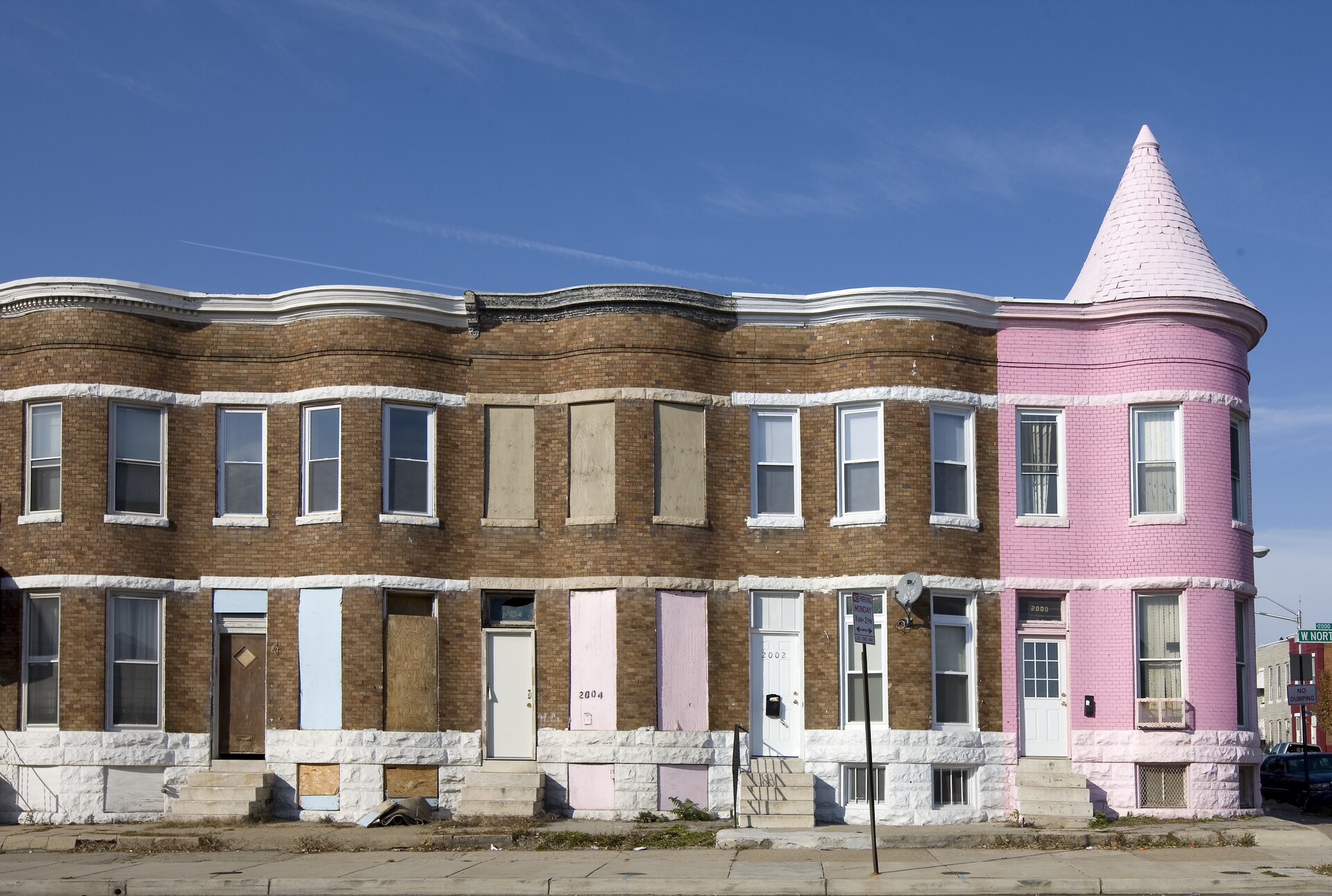
Baltimore's rowhouse blocks are the city's signature — and its most visible challenge is the empty houses scattered through them. A vacant rowhouse is never just one address. For the neighbors who remain, it can mean fire risk, illegal dumping, falling property values, and the daily message that their block has been given up on.
Understanding the problem starts with definitions. A house can be legally vacant, boarded, tax-delinquent, or condemned, and those categories overlap imperfectly. City housing inspectors, the fire department, and neighborhood associations often describe the same street differently because each is counting a different thing — a gap that complicates every public argument about progress.
The economics are stubborn. Many vacant rowhouses sit in blocks where renovation costs exceed what a finished house would sell for, which is why private buyers alone do not clear the backlog. Public tools — receivership, land banking, demolition for the unsalvageable, and targeted rehabilitation support — each fit a different slice of the inventory.
Residents are not waiting passively. Community associations across the city, from Sandtown-Winchester to neighborhoods in East and South Baltimore, document problem properties, attend housing court, and push for the unglamorous enforcement steps — clean boarding, secured lots, mowed weeds — that determine whether a vacant house harms its block this winter.
This explainer is the start of our rowhouse reporting, not the end of it. In the weeks ahead we will walk specific blocks with the people who live on them. The measure that matters is not any single program announcement. It is whether the occupied homes on a challenged block have fewer vacant neighbors next year than this one.