The Key Bridge Rebuild and the Port of Baltimore, Explained
The Francis Scott Key Bridge replacement is a years-long Maryland project. Here is what the work means for the Port of Baltimore, Dundalk Marine Terminal, and the drivers who used the crossing.
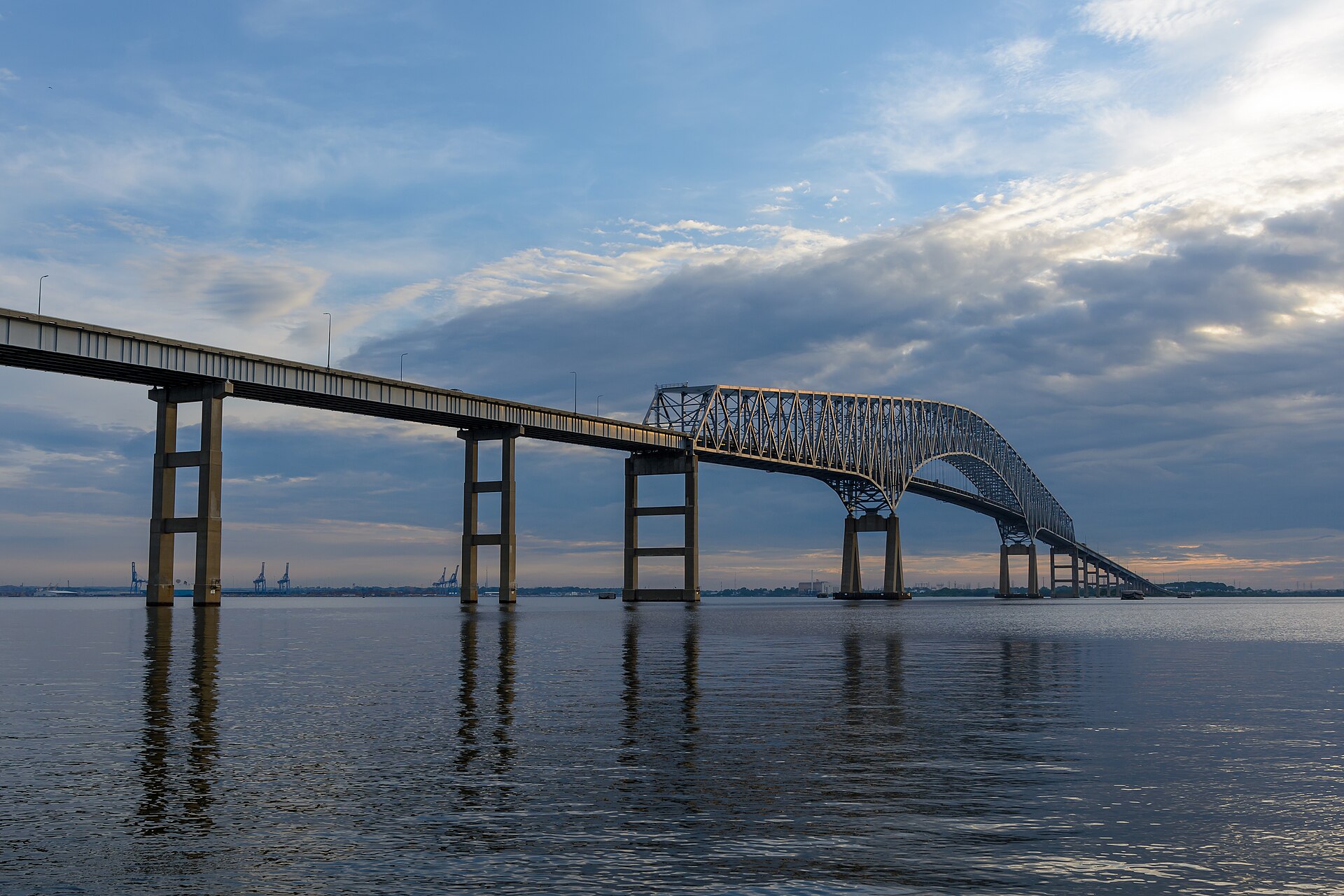
The Francis Scott Key Bridge replacement project is under way, and it will shape Maryland's map for years. The original crossing carried I-695 over the Patapsco River at the Port of Baltimore; its replacement is a state transportation priority that touches shipping, trucking, and daily commutes across the region.
For the Port of Baltimore, the stakes are straightforward. The port's terminals, including Dundalk Marine Terminal, depend on both ship access under the crossing and truck access around it. Every phase of the rebuild is therefore watched as closely in the logistics business as it is by the drivers who once used the bridge daily.
Drivers feel the project differently. Trips that once crossed the harbor on the Key Bridge now route through the I-95 and I-895 tunnels or around the western Beltway, adding time and shifting traffic onto corridors that were busy before they absorbed the bridge's share. That detour reality remains part of regional planning for the duration of the work.
Rebuilding a crossing of this scale is not a single construction job but a sequence: design, permitting, procurement, and staged construction on a working river, coordinated with the Coast Guard, the port, and the communities on both shores, including Dundalk and the neighborhoods near the landings.
Baltimore Charm City News will keep this explainer updated as the project moves through its public phases. For now, the honest summary is simple: the replacement is real, it is under way, it will take years, and the port and the Beltway will both be living with its consequences until the new crossing opens.